
Painting While You Live There: Timeline, Furniture and What to Expect
You can live in the house during painting, but furniture, floor protection, drying rooms and daily access need a plan before work starts.
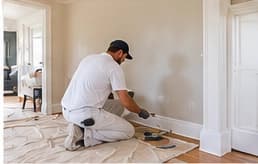
Room sequencing matters
Most occupied projects move room by room or zone by zone so the household keeps usable living space. Decide which room is being worked in each day, and which bedrooms, bathrooms, kitchens and common areas need to stay available. Stairwells and ceilings can affect how people move through the house while work is underway. See ceiling painting for high or difficult areas.
Furniture, access, and floor protection
Before work starts, decide what leaves the room, what gets grouped and covered, and what stays in place with protection. Finished floors need covering where traffic and ladders will travel. Doorways and hall paths should remain workable so the rest of the house stays usable. These details are part of interior painting preparation, not afterthoughts.
Dust, cleanup, and keeping the work area under control
Patching and sanding create dust. Containing that dust, protecting nearby finished surfaces, and cleaning as the project moves from room to room matter more when people are still living in the house. Switch plates, hardware and fixtures should be accounted for during prep so they are not treated as obstacles to paint around at the last minute.
Drying, ventilation, and temporary disruption
Fresh paint needs drying time before rooms return to normal use. Ventilation helps with comfort, but windows, weather, and product choice all influence the day. Expect temporary disruption: shifted furniture, limited closet access, and rooms that cannot be fully used until surfaces are ready.
Pets and children
Pets and children need clear boundaries around wet paint, open containers, covered floors and active work areas. Plan sleeping arrangements if bedrooms are in rotation. Discuss any household constraints during the estimate so sequencing can account for them.
Occupied versus empty homes
Empty homes usually allow faster movement and simpler protection. Occupied homes trade some efficiency for continued living in the space. Neither approach is automatically better; they are different projects. If you are painting before move-in or before listing, see interior painting when buying or selling.
Timeline variables — without false promises
Duration depends on room count, ceilings, trim detail, surface repairs, drying conditions, and how much of the house must remain usable each day. No one schedule fits every house. Ask what the timing assumes, and update that plan if the repair work changes.
Trim and preparation in lived-in rooms
Detailed trim and doors take time and create more cut lines around daily life. Normal preparation versus additional repair work should still be distinguished even when the house is occupied.
Planning around daily life at home? Request an estimate.
Planning to stay in the house during painting?
Call to talk about the rooms you want painted, the condition of the walls, and what you want included.