
Interior Painting Preparation: What Happens Before the Finish Coat
Cover the floors. Protect the furniture. Fill nail holes. Spackle dents. Patch damaged drywall. Sand rough spots. Prime repairs. That work decides how the finish looks.

Protection comes before paint
Preparation is not only about the wall. Finished floors need covering. Furniture and belongings need a plan — what moves out, what can be grouped and covered, and what stays protected in place. Switch plates and hardware are often removed or protected so they are not painted around. Adjacent finished surfaces should be masked or covered before sanding and paint begin. In an occupied home, that plan also has to leave the rest of the house usable. See painting while you live there for occupied-home logistics.
Walk the walls before you paint
Look for nail holes, small dents, nail pops, hairline cracks, open trim joints, stains, glossy paint and old patches. That walk-through separates everyday spackling from bigger repairs — including moisture stains or plaster that feels soft or loose where plaster is present.
Everyday wall prep: nail holes, spackling, patching, sanding
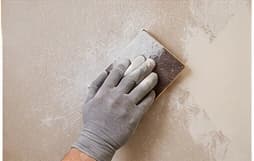
Most residential interiors need ordinary preparation before finish paint: fill nail holes, spackle small dents, patch minor drywall damage, sand filled areas smooth, and wipe dust so paint can stick. Sanding creates dust — that is why the room protection setup matters before prep starts. Trim joints get caulked where appropriate. Masking keeps floors, glass and hardware clean. Not every wall needs heavy repair — the holes, cracks and damaged areas decide how much work comes before the paint.
When the repair goes further
Larger damaged areas, recurring cracks, wallpaper-removal damage, skim work, or moisture-related damage (after the leak source is corrected) are different from everyday filling. Where older plaster walls are present and damaged, the prep can go further still. Those conditions should be called out separately whenever possible so estimates stay comparable.
Where primer belongs
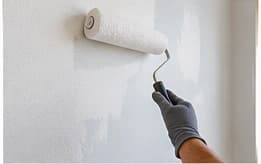
Primer is often needed on repairs, bare patches, stains, large color changes, or glossy surfaces that need better bite. Spot primer may be enough for small filled areas; broader primer belongs where the surface or stain requires it. Ask where primer is included in the estimate. If you are choosing a new wall color, see choosing an interior paint color. For older plaster walls see painting plaster walls. For stained ceilings see ceiling painting.
Normal preparation
- Floor and fixture protection
- Furniture covering or modest repositioning as agreed
- Surface dusting/cleaning where needed
- Filling common nail holes
- Spackling minor dents and small imperfections
- Light drywall patching where needed
- Sanding filled areas smooth
- Caulking open trim joints where appropriate
- Masking adjacent surfaces
- Spot priming repairs when specified
Additional repair work
- Larger drywall repairs
- Plaster repair where plaster is present and damaged
- Loose, bulging, or failed wall areas
- Recurring crack treatment beyond ordinary spackling
- Wallpaper-removal damage correction
- Skim coating where appropriate
- Stain-blocking after moisture sources are corrected
- Extensive sanding of older coatings
- Conditions discovered after opening up a surface
Hidden conditions and change orders
Some issues only become clear after furniture is moved, after a glossy coating is sanded, or after a soft area is investigated. That does not mean the original estimate was careless. It means the project needs a clear process for discussing additions before extra work proceeds. Good estimates explain what is included and how changes are approved.
Older painted surfaces and lead-safe questions
Homes with pre-1978 painted surfaces can involve federal lead-safe considerations during sanding, scraping, or other disturbance of old paint. Ask what practices will be used on your project before work begins. Questions worth asking are also covered under choosing an interior painter.
Preparation and comparing estimates
If two proposals name the same rooms but describe preparation differently, they are not the same job. Compare the prep details on comparing painting estimates, and review trim expectations on interior trim painting.
Planning an Interior Painting Project?
Call to talk about the rooms you want painted, the condition of the walls, and what you want included.